
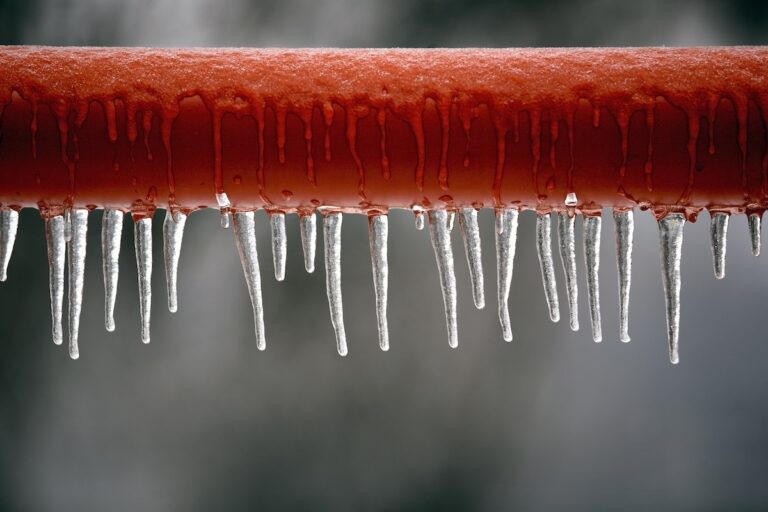
As temperatures drop, fire sprinkler system winterization should be on every property owner’s and manager’s radar screen. When fire sprinkler system winterization is deployed, it plays a vital role in preventing frozen fire protection systems. While fire sprinkler contractors maintain and inspect these systems, the responsibility for keeping them adequately heated and protected from freezing ultimately rests with the property owner under NFPA 25 – the national standard for inspection, testing, and maintenance of water-based fire protection systems.
At Risk Suppression Partners, we see firsthand how a single frozen pipe can lead to costly water damage, property disruption, and impaired fire safety. With simple, proactive measures taken as part of an annual fire sprinkler system winterization protocol, building owners can prevent these losses and keep their systems reliable all winter long.
Fire Sprinkler System Winterization Checklist Available
To help fire sprinkler contractors, building owners & property managers avoid broken pipes – and the resulting damage, Risk Suppression has created a simple checklist for the winterization of fire sprinkler system. Access the full checklist HERE. This helpful resource outlines essential steps every property owner should take before freezing weather arrives. We encourage fire sprinkler contractors to share this checklist with their customers as a proactive reminder of their role in maintaining freeze protection. Reinforcing these best practices not only helps safeguard their property but also reinforces fire safety contractors as a trusted fire protection partner.
A Real-World Example of Prevention & Protection Involving Fire Sprinkler System Winterization
In the past year alone, Risk Suppression Partners’ fire sprinkler system winterization checklist played an important role in multiple dry-system freeze-up claims. In defense of our insured contractors, Risk Suppression Partners was able to demonstrate that the contractor – who initially was blamed for the property damage caused by poorly maintained auxiliary low-point drains – had provided our winterization checklist document to the owner and offered to service the drains prior to the freezing and subsequent damage occurring. Had the property owner hired the contractor or properly maintained the system themselves, the loss could have been prevented. In each of these defensible situations, Risk Suppression Partners’ insureds were able to provide documentation proving the correspondence was issued to the customer before the loss occurred.
Winterization Checklist for Building Owners
1. Service Low-Point Drains
If your facility has dry or pre-action sprinkler systems, ensure that low-point (auxiliary) drains are serviced during freezing weather by qualified personnel.
2. Check Doors and Louvers
Inspect all doors and louvers to valve rooms, fire pump rooms, and stairwells to make sure they close tightly and keep cold air out.
3. Verify Room Heaters
Confirm that heaters in all areas with water-filled piping are functional and maintain at least 40°F. Contact maintenance immediately if a unit is not working properly, and document that the maintenance department was notified in writing.
4. Inspect Insulation
Look for missing or disturbed insulation – especially above ceilings and in attics where sprinkler piping may be exposed to cold.
5. Test Heat Tracing Systems
If your facility uses heat tracing, verify that systems are powered and working properly.
6. Maintain Antifreeze Systems
Have antifreeze systems tested and maintained per NFPA 25 requirements.
7. Walk the Property
Conduct a building walkthrough to confirm all areas containing water-filled piping are adequately protected from freezing temperatures.
Winterization Checklists Empower Building Owners to Protect Their Property and People
Taking these steps for the winterization of fire sprinkler systems helps customers ensure their fire protection systems remain ready to respond when needed. Frozen sprinkler pipes not only cause water damage but can also disable fire protection altogether. For more winter preparedness tips, visit the NFPA Blog on Winterization or contact Risk Suppression Partners for guidance on proactive system maintenance and risk management.